
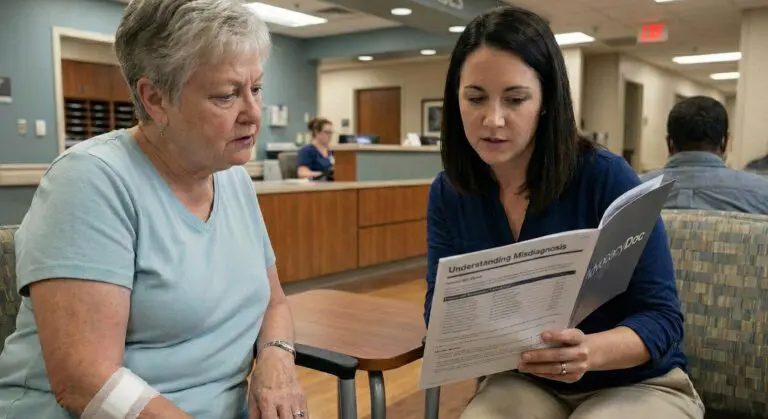
Going to the emergency room is stressful. You go because you are hurt or sick, and you trust the doctors to tell you what is wrong. But sometimes, you might leave without a clear answer, or worse, with the wrong answer.
It is a frightening thought, but misdiagnosis in the emergency room happens. If you or a loved one has experienced this, you know how confusing and frustrating it can be. We want you to know that you are not alone. Understanding why these mistakes happen—and knowing what steps you can take—can empower your decisions and help you stay safe.
This guide will explain why the ER can be such a difficult place for accurate diagnoses, especially for seniors, and how you can navigate healthcare with ease.
Why Is It Hard to Get a Right Diagnosis in the ER?
Doctors and nurses in the emergency room want to help you. They work hard to save lives. However, the environment they work in is very different from your regular doctor’s office. Several factors make it harder for them to get the full picture of your health.
The Rush and the Noise
Imagine trying to solve a complicated puzzle while alarms are ringing and people are shouting. That is often what it feels like for an ER doctor. The emergency room is a high-pressure environment. Doctors must make quick decisions to treat life-threatening conditions first.
Because they move so fast, they might not have time to look at your entire medical history. They focus on the immediate problem—like chest pain or a fall—rather than the “big picture” of your health. This fast pace can sometimes lead to missed details.
Symptoms Can Be Tricky as We Age
As we get older, our bodies change. The way we show signs of illness changes, too. For example, a younger person with an infection might have a high fever. But a senior with the same infection might not have a fever at all. Instead, they might just feel confused or very tired.
Doctors call this “atypical presentation.” If an ER doctor expects to see a fever and doesn’t see one, they might miss the infection entirely. This is a common reason why diagnoses are missed in older adults.
Shift Changes and Hand-Offs
Hospitals operate 24 hours a day. This means doctors and nurses work in shifts. When one doctor goes home and another arrives, they have to “hand off” your care. They explain your case to the new doctor. Sometimes, small but important details get lost during this conversation. If the new doctor doesn’t have all the facts, they might make a decision based on incomplete information.
How You Can Help the Doctor Help You
You play a vital role in your own care. Even in a busy ER, there are simple things you can do to make sure the doctors understand your needs. This is about personal health advocacy—standing up for your own well-being.
Bring a “Health Buddy”
Whenever possible, do not go to the ER alone. Bring a family member, a caregiver, or a trusted friend. When you are in pain or worried, it is hard to think clearly. Your “Health Buddy” can:
- Answer questions if you are too tired or sick to speak.
- Write down instructions from the doctor.
- Remind the doctor about your other medications or conditions.
Having a support system with you ensures that the doctor hears the full story.
Tell Your Story Clearly
When the doctor asks what is wrong, be as specific as possible. Instead of saying, “I don’t feel good,” try to explain exactly what feels different.
- When did it start? (Example: “It started two hours ago after lunch.”)
- What were you doing? (Example: “I was walking up the stairs.”)
- Has this happened before? (Example: “Yes, I felt this way last year.”)
If you have a list of your current medications and past surgeries, hand it to the doctor immediately. This simple step can prevent dangerous drug interactions and give the doctor a better clue about what might be wrong.
Ask “What Else Could It Be?”
Doctors usually look for the most common or most dangerous cause of your symptoms first. It is okay to ask questions. A powerful question you can ask is: “Doctor, what else could this be?”
This question gently encourages the doctor to pause and think about other possibilities. It reminds them to consider options they might have overlooked in the rush.
A Story About Martha: Why Follow-Up Matters
Let’s look at a hypothetical story to see how this works in real life.
Martha, a 72-year-old woman, woke up feeling dizzy and nauseous. Her chest felt a little tight. Her daughter took her to the ER. The ER was packed that night. The doctor ran a quick heart test (EKG) and saw nothing alarming. He told Martha she likely had heartburn from dinner and sent her home with antacids.
However, Martha’s daughter knew her mother never had heartburn. She felt uneasy. Instead of just accepting the diagnosis, she called Martha’s primary care doctor the next morning for a follow-up. The primary doctor knew Martha’s history well and ordered a more detailed heart test. It turned out Martha was having a “silent” heart issue that needed medication, not antacids.
The Lesson: The ER is there to stabilize you—to make sure you are not in immediate danger. They are not always there to solve the whole mystery.
- Always follow up: See your regular doctor within a few days of an ER visit.
- Trust your gut: If you or your family feel like the answer wasn’t right, seeking additional guidance is a smart, proactive step. It is not “bothering” the doctor; it is taking care of your health.
You Don’t Have to Do This Alone
Navigating the healthcare system, especially Medicare and hospital visits, is complicated. It is normal to feel overwhelmed by medical jargon and insurance rules. That is why we are here.
At AdvocacyDoc, we simplify healthcare understanding. We believe you deserve clear, simple options and support at every step of your journey. Whether you are trying to understand a recent diagnosis, figure out your Medicare coverage for a follow-up visit, or just need someone to explain what the doctor said in plain English, we can help.
Conclusion
Misdiagnosis in the ER is a challenge, but it is one you can manage with the right tools. By understanding the chaotic environment of the ER, bringing a support person with you, and following up with your regular doctor, you can protect yourself and your loved ones.
Remember, asking questions and seeking clarity is a sign of strength. You have the right to understand your health. Trust in our guidance to help you navigate these difficult moments. We are committed to empowering your decisions so you can live your healthiest life.
