
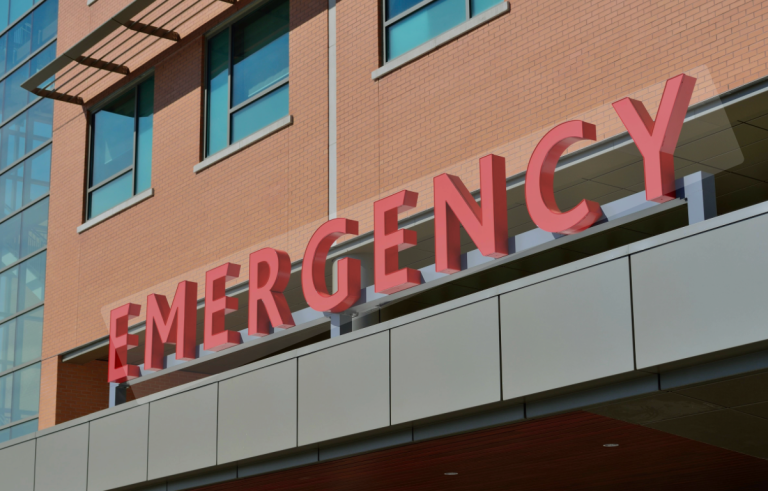
Walking into a hospital emergency department (ER) can feel overwhelming. The bright lights, constant motion, and crowded waiting rooms are a familiar scene for many. As healthcare professionals who have spent countless hours in this environment, we can attest to its relentless pace. The ability to help people and save lives is a powerful motivator, but the reality is that the ER is a system under constant pressure. Understanding why wait times can be so long is the first step toward navigating your visit with more confidence and less frustration.
This post will pull back the curtain on the inner workings of the emergency department. We will explore the key factors that contribute to long waits, explain how patients are prioritized, and provide you with practical strategies to manage your visit. Our goal is to empower you with knowledge so you can make informed decisions about your health.
The Reasons Behind the Wait
Long wait times are rarely the result of a single issue. Instead, they stem from a combination of systemic challenges that impact hospitals nationwide. Let’s look at some of the most significant factors.
Limited Hospital Beds
One of the biggest bottlenecks in any hospital is bed capacity. An emergency department has a finite number of rooms and beds available for patients. When those beds are full, new patients must wait. This problem is often worsened by a lack of “flow” throughout the rest of the hospital.
Imagine the ER as an entryway to the main hospital. If a patient in the ER needs to be admitted for further care—for example, to a cardiac unit or a surgical floor—they need a bed to become available on that specific floor. When the main hospital is full, admitted patients end up waiting in the ER for hours, occupying a bed that could otherwise be used for someone new arriving in the waiting room. This creates a significant backlog that ripples through the entire department.
Staffing Shortages
The fast-paced and high-stress environment of the ER contributes to high staff turnover. Healthcare providers, including doctors, nurses, and technicians, can experience burnout from the demanding workload and limited resources. When a hospital is short-staffed, the remaining team members must care for more patients than is ideal.
This not only slows down the process but also places immense pressure on the staff. Fewer nurses mean delays in taking vital signs and administering medications. Fewer technicians mean longer waits for X-rays or blood draws. These shortages directly impact how quickly you can be seen, diagnosed, and treated.
Time-Intensive Diagnostic Workups
Treating a patient in the ER is rarely as simple as a quick conversation and a prescription. Most conditions require a thorough workup to reach an accurate diagnosis. This often involves a series of diagnostic tests, each with its own timeline.
For instance, if your doctor orders blood tests, a CT scan, and an ultrasound, you are essentially in three separate queues at once. The lab must process your bloodwork, a radiology technician must perform your scan, and a sonographer needs to conduct the ultrasound. Each step requires a different specialist and piece of equipment. Now, multiply that process by every patient in the ER, and it becomes clear why delays accumulate. The staff is coordinating this complex dance for dozens of people simultaneously, which takes a considerable amount of time.
How the ER Prioritizes Patients: The Triage System
A common misconception is that the ER operates on a first-come, first-served basis. In reality, patients are seen based on the urgency of their medical condition. When you first arrive, a triage nurse will assess you to determine your priority level.
This process uses a standardized tool called the Emergency Severity Index (ESI). The ESI is a five-level system that categorizes patients based on the severity of their symptoms and the resources they will likely need.
- ESI Level 1 (Most Urgent): These patients require immediate, life-saving intervention. Examples include someone who is not breathing, is having a massive heart attack, or has experienced severe trauma. They are seen immediately.
- ESI Level 2 (High Risk): This category includes patients in a high-risk situation, those who are confused or disoriented, or those in severe pain. A patient with signs of a stroke or chest pain would fall into this category. They are seen very quickly.
- ESI Level 3: These patients have urgent conditions that are not immediately life-threatening but require multiple resources (like labs and imaging). An adult with abdominal pain or a high fever would be a typical ESI Level 3.
- ESI Level 4: These patients need only one type of resource, such as a set of stitches for a simple cut.
- ESI Level 5 (Least Urgent): These conditions are non-urgent and may only require a physical exam and prescription. A minor rash or a request for a medication refill would be considered an ESI Level 5.
Your ESI level determines your place in the queue. If you are an ESI Level 4 and a person having a heart attack (ESI Level 1) arrives after you, they will be seen first. This system ensures that the sickest patients always receive priority, which is critical in a busy trauma center where ambulances frequently arrive with critically ill individuals.
What You Can Do: Navigating Your Care
While many factors causing long waits are out of your control, there are steps you can take to make your experience smoother and ensure you get the right level of care.
1. Check Wait Times Online
Before you head out, check the hospital’s website. Many hospital systems now publish estimated ER wait times online. While this number is just an estimate and can change quickly, it can help you set realistic expectations before you even leave the house.
2. Consider an Urgent Care Center
If your condition is not a life-threatening emergency, an urgent care center may be a better option. These facilities are equipped to handle issues like colds, flu, minor cuts, sprains, and infections. Wait times are typically much shorter, and the cost is often lower than an ER visit. In some states, you may also find Free Standing Emergency Departments (FSEDs), which are fully equipped ERs located separately from a main hospital and often have shorter waits.
3. Go During “Off-Peak” Hours
If your condition allows for it, try to visit the ER during less busy times. Generally, early mornings (before 10 a.m.) and late nights tend to be quieter. Weekdays are often less crowded than weekends and holidays, when more people tend to seek care for both major and minor issues.
Your Health Always Comes First
Despite the potential for a long wait, never hesitate to go to the nearest emergency department if you believe you have a true emergency. If you are experiencing symptoms like chest pain, difficulty breathing, signs of a stroke, or severe injury, call 911 or go to the ER immediately. Remember, the triage system is designed to identify and prioritize the sickest patients. If you are genuinely ill, you will be seen quickly. Your health and safety are the top priority.
